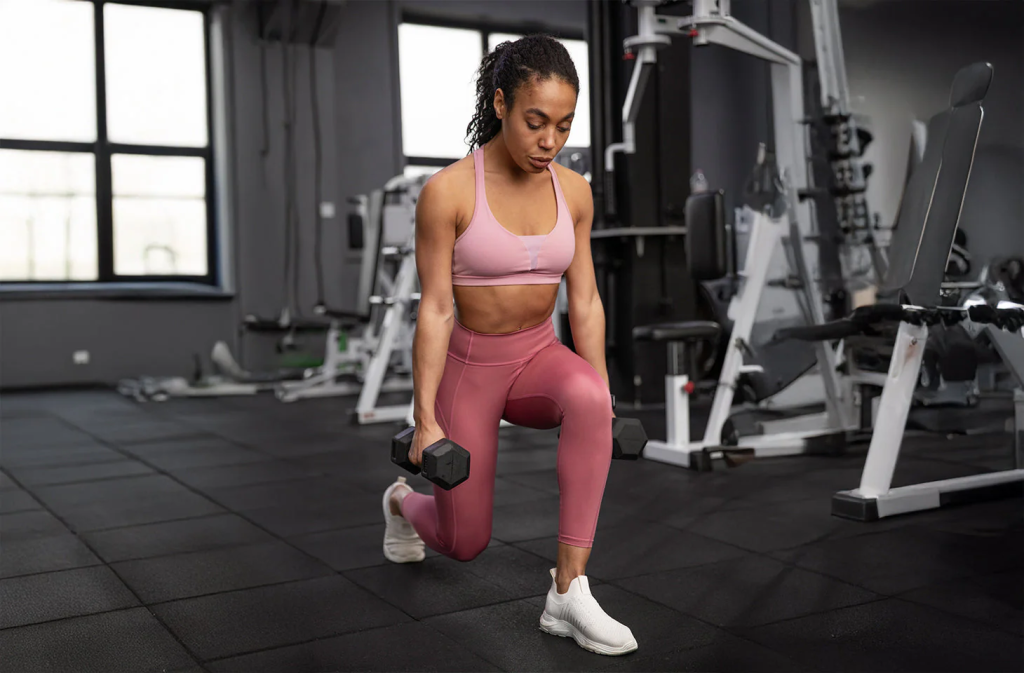
A Full Body Workout is one of the most effective ways to improve overall fitness, increase strength, burn calories, and develop lean muscle. Unlike split routines that target only one or two muscle groups per session, this training method engages multiple muscle groups during every workout. It is ideal for beginners who want to build a solid fitness foundation as well as experienced athletes looking to maximize performance in limited training time.
Whether your goal is weight loss, muscle gain, or improving endurance, a properly planned Full Body Workout offers exceptional results. It helps improve balance, coordination, flexibility, and cardiovascular health while allowing sufficient recovery between sessions. Consistency, proper exercise selection, and progressive overload play major roles in achieving long-term success. This guide explains how full-body training works, its benefits, expert strategies, and practical routines that can help you train smarter while reducing the risk of injuries.
Why Choose a Full Body Workout?
A Full Body Workout trains all the major muscle groups—including the chest, back, shoulders, arms, core, and legs—in a single session. This balanced approach allows your muscles to work together, improving functional strength and movement patterns used in daily activities.
One of the biggest advantages is efficiency. If you only have three or four days each week for exercise, full-body training ensures every muscle group receives enough stimulation for growth and development. Research also suggests that training muscles more than once per week often leads to better strength and muscle gains than working each muscle only once weekly.
Additional benefits include:
- Improved muscle balance
- Higher calorie burn
- Better cardiovascular fitness
- Increased flexibility and mobility
- Reduced workout planning complexity
- Faster overall fitness improvements
Because every session includes compound exercises, your body works harder, resulting in greater energy expenditure and improved athletic performance.
Benefits of Full Body Workout for Every Fitness Goal
Regardless of your fitness objective, a Full Body Workout provides outstanding versatility. Beginners benefit from learning proper movement patterns, while intermediate and advanced lifters can increase intensity by adding heavier weights or advanced techniques.
For weight loss, engaging multiple muscles simultaneously burns more calories during and after exercise. Compound movements such as squats, lunges, rows, and presses elevate heart rate while strengthening muscles.
Individuals aiming to build muscle appreciate the increased training frequency. Instead of waiting an entire week before training the same muscles again, they receive regular stimulation that supports muscle protein synthesis.
Other important advantages include improved posture, stronger bones, enhanced joint stability, reduced injury risk, and better sports performance. Regular training also supports mental health by reducing stress, improving sleep quality, and boosting confidence through consistent physical progress.
Essential Exercises for an Effective Full Body Workout
Choosing the right exercises determines the success of your training routine. Compound movements should always form the foundation because they activate multiple joints and muscles simultaneously.
Lower Body Exercises
- Squats
- Lunges
- Romanian Deadlifts
- Step-ups
- Leg Press
These exercises strengthen the quadriceps, hamstrings, glutes, and calves while improving stability and balance.
Upper Body Exercises
- Bench Press
- Push-ups
- Pull-ups
- Bent-over Rows
- Overhead Shoulder Press
These movements build upper-body strength while improving posture and shoulder stability.
Core Exercises
- Plank
- Russian Twists
- Bicycle Crunches
- Hanging Leg Raises
- Mountain Climbers
A strong core improves overall lifting performance and reduces lower back strain during daily activities.
Sample Weekly Full Body Workout Plan
The following schedule provides a balanced approach suitable for most fitness enthusiasts.
| Day | Workout Focus | Suggested Exercises |
|---|---|---|
| Monday | Strength | Squats, Bench Press, Rows, Plank |
| Tuesday | Recovery | Walking, Stretching, Mobility |
| Wednesday | Power | Deadlifts, Shoulder Press, Pull-ups, Lunges |
| Thursday | Active Recovery | Yoga, Light Cardio |
| Friday | Hypertrophy | Leg Press, Push-ups, Dumbbell Rows, Core Circuit |
| Saturday | Cardio & Mobility | Cycling, Swimming, Stretching |
| Sunday | Rest | Complete Recovery |
This balanced routine allows muscles sufficient recovery while maintaining consistent weekly training volume.
Expert Training Tips for Better Results
Following professional training principles helps maximize progress while reducing setbacks.
Focus on Proper Form
Technique should always come before lifting heavier weights. Proper movement protects joints and ensures target muscles perform most of the work.
Increase Resistance Gradually
Progressive overload is the key to continuous improvement. Add small amounts of weight, increase repetitions, or reduce rest periods as your body adapts.
Never Skip Warm-Up
Spend 5–10 minutes performing light cardio and dynamic stretching before lifting weights. Warm muscles perform better and are less prone to injury.
Prioritize Recovery
Muscles grow during recovery rather than during exercise. Quality sleep, balanced nutrition, and rest days are essential parts of any successful training program.
Track Your Progress
Maintain a workout journal recording exercises, sets, repetitions, and weights. Tracking improvements keeps motivation high and helps identify areas needing adjustment.
Nutrition That Supports Your Training
Exercise alone cannot deliver optimal results without proper nutrition. Your body requires adequate protein, carbohydrates, healthy fats, vitamins, and minerals to recover efficiently.
Protein supports muscle repair and growth after intense workouts. Lean meats, eggs, fish, dairy products, beans, and tofu are excellent protein sources. Complex carbohydrates such as brown rice, oats, sweet potatoes, and whole grains provide sustained energy for demanding training sessions.
Healthy fats from nuts, seeds, avocados, and olive oil contribute to hormone production and joint health. Staying hydrated throughout the day is equally important because dehydration reduces strength, endurance, and concentration during exercise.
Eating balanced meals before and after workouts helps replenish energy stores and accelerates muscle recovery, allowing you to perform consistently throughout the week.
Common Mistakes to Avoid
Many people unknowingly slow their progress by making avoidable training errors.
Some of the most common mistakes include:
- Lifting weights that are too heavy too soon
- Ignoring proper exercise technique
- Skipping warm-up sessions
- Inconsistent workout schedules
- Poor sleep habits
- Inadequate protein intake
- Neglecting recovery days
- Performing excessive cardio while trying to gain muscle
Correcting these habits significantly improves performance while reducing the likelihood of injuries or burnout.
How to Stay Motivated Throughout Your Fitness Journey
Motivation naturally rises and falls, making consistency more important than temporary enthusiasm. Set realistic short-term goals that gradually build toward larger achievements. Celebrate milestones such as increasing your squat weight, completing additional repetitions, or maintaining a regular workout schedule.
Training with a partner can improve accountability while making workouts more enjoyable. Listening to music, following structured workout plans, and tracking physical improvements also help maintain enthusiasm.
Remember that noticeable changes require patience. Fitness is a long-term investment, and consistent effort always produces better results than occasional intense workouts. Focus on developing healthy habits that become part of your lifestyle rather than relying solely on motivation.
Who Should Follow a Full Body Workout Routine?
A full-body training program suits almost everyone regardless of experience level. Beginners learn essential movement patterns while building strength evenly across the entire body. Busy professionals appreciate the time efficiency since they can achieve excellent results with only three weekly sessions.
Intermediate exercisers benefit from higher training frequency, while athletes use full-body sessions to improve functional strength, coordination, and endurance. Older adults can also safely perform modified routines that preserve muscle mass, improve mobility, and enhance overall quality of life.
The adaptability of this training style makes it one of the most practical and sustainable exercise approaches available. Exercises can be adjusted according to individual goals, equipment availability, and physical limitations without sacrificing effectiveness.
Conclusion
A Full Body Workout remains one of the smartest and most effective approaches for building strength, improving endurance, burning fat, and enhancing overall health. By training every major muscle group in each session, you maximize efficiency while developing balanced physical fitness. Combining compound exercises, proper nutrition, progressive overload, and adequate recovery creates the perfect environment for continuous improvement.
Leave a Reply